%20Logo%20for%20apparel%20(16).png)
%20Logo%20for%20apparel%20(16).png)
%20(1).png)
Team SALT
Behind every SALT paddle are two dads who've convinced themselves that swapping steady paychecks for late-night carbon fiber sessions is a completely reasonable life choice.
Meet John & Tom: SALT's designated caffeine addicts and the reason your paddle grip might have a faint aroma of espresso and epoxy. John's the guy who thought "I'll just make one paddle" and that somehow ended up with a basement that looks like a pickleball R&D black site. Tom is the voice of reason - which is essential, even if it doesn’t always prevent John from adding too much foam, or scrapping a promising prototype because it sounds "weird". Between the two, there’s a lot of epoxy, carbon fiber splinters, and an unhealthy attachment to getting details right.
Team SALT
Behind every SALT paddle are two dads who've convinced themselves that swapping steady paychecks for late-night paddle-making sessions is a completely reasonable life choice.
Meet John and Tom. No departments. No layers. Just some paddle nerds trying to make the best paddles possible. When you talk to SALT, you’re talking to the same people who design the paddles, test them, argue about them, and refuse to ship them until they feel right.
John is the one who thought, “I’ll just make one paddle,” and somehow ended up with a basement that looks like a paddle R&D black site. Tom is the voice of reason - which is essential, even if it doesn’t always prevent John from adding too much foam, or scrapping a promising prototype because it sounds "weird" (true story). Between the two, there’s a lot of epoxy, carbon fiber splinters, and an unhealthy attachment to getting details right.
Our business plan is refreshingly simple: we’ll keep making badass paddles, run a company that doesn’t slowly kill us, and maybe help a few people discover that a 44-by-20 rectangle and a plastic ball can turn a bad day around.
Being small and bootstrapped isn’t something we’re trying to outgrow. It’s what lets us care - about materials, about feel, about feedback, and about standing behind what we make. If something’s off, we fix it. If someone needs help finding the right paddle, we talk it through.
If you’re looking for faceless support tickets and polished corporate departments, this probably isn’t it.
If you want honest answers, direct access to the founders, and paddles built by people who care too much - welcome to SALT.
John Ruppert
Co-Founder / CEO of Unforced Errors

Recovering restaurant industry member, full-time husband, dad, and data engineer. John’s the guy who turned one basement experiment into OSHA's worst nightmare (it's not that bad). Turns out, the light at the end of the tunnel sometimes looks like a pickleball court with people who don't care what your yesterday looked like, just whether or not you can keep the ball in play.
Tom Siegel
Co-Founder / CEO of Weak Backhands
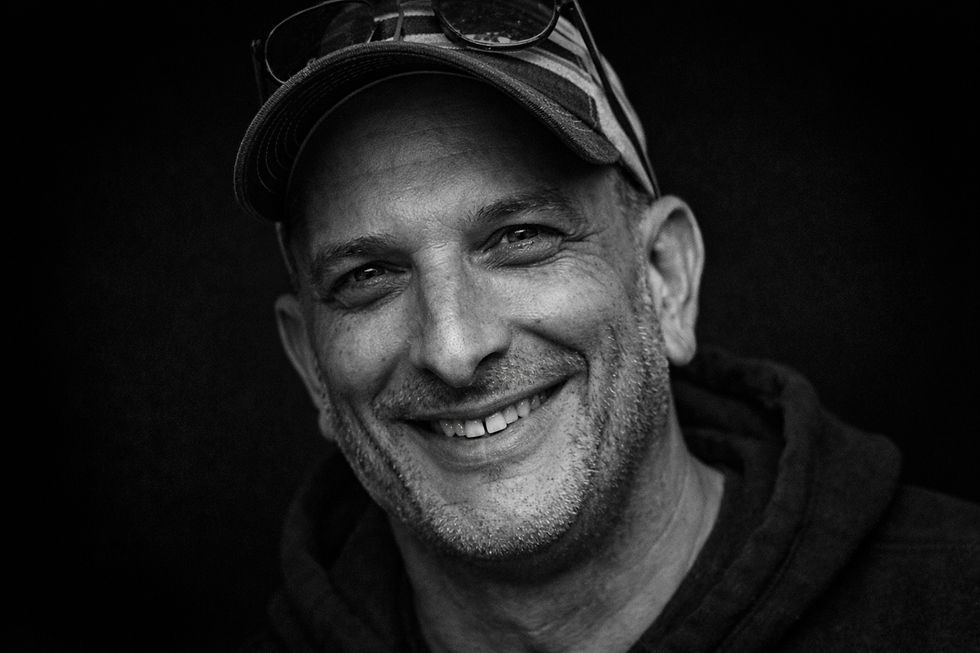
Appraiser by day, audiophile by night, and recent pickleball convert. Tom's the big-picture guy. He's the business brain & the one who figured out that paddles are just a single aspect. He's also creating the connective tissue that finally brings Maine's scattered pickleball scene onto the same page. There's no good reason that clubs 10-miles apart should be strangers. Tom's aim is something bigger than backyard pickup games.
Our Goal
At SALT, our business plan is refreshingly simple: make gear that doesn't suck, avoid becoming corporate zombies, and prove that pickleball can save anyone's sanity. Is it a brilliant dream or an elaborate midlife crisis? TBD. Until then, we'll keep making badass paddles, run a company that doesn't slowly kill us, and maybe help a few people discover that a 44-by-20 rectangle and a plastic ball can turn a bad day around.
We're not trying to reinvent the wheel here. Just build better paddles and maybe catch a few hours of sleep between prototypes.
If that sounds like your kind of madness, welcome to SALT.
Our Story
SALT didn’t come out of a pitch deck or a startup incubator. It came out of a Maine garage at an unreasonable hour, driven by one simple question: can’t I just build my own paddle?
John first played pickleball in a high-school rec-games class in Atlanta. He loved it immediately, but competitive soccer took over - until a severe leg injury ended athletics altogether. The game he’d picked up in a school gym faded into the background.
Fast-forward fifteen years. Different life, different priorities, same curiosity. Now living in Harpswell, Maine, John gets invited to play again. The only problem was equipment-related: he didn’t own a paddle. Borrowing or buying one would’ve been easy enough. Yet building one from scratch felt like the most "logical" solution. The first paddle was garbage. So was the second. And the third. But somewhere around paddle six, something clicked. The process became the point - tuning feel, chasing control, obsessing over sound, weight, and balance - and refusing to stop when something felt merely “acceptable.” The first usable prototypes were still rough, but they were his. Hitting with something you built, and understanding every choice inside it, hits different. That obsession didn’t stay contained. The workshop spread. The late nights piled up. Eventually, John’s wife delivered a perfectly reasonable ultimatum: turn this into something real, or find a healthier outlet. SALT was the result.
Today, SALT is still a scrappy, Maine-built operation at the core - but it’s no longer a garage-only experiment. We’ve turned the messy R&D years into real, repeatable designs, and we’re doing the unglamorous work that makes a company legitimate: materials standards, quality control, supply chain, packaging, fulfillment, and customer support that actually shows up. We keep prototyping and testing close to home, and we work with manufacturing partners to execute consistently at production scale - without lowering the bar that started this whole thing.
We’re not just telling an origin story, either. We’re currently in the middle of the next chapter. A new prototype is being elevated into full production with one goal: build it the right way, then submit it for USA Pickleball approval so it can earn its place in the official world. It’s a slow, detail-heavy process by design. If we’re going to scale, we’re going to do it without becoming mass-market sameness.
Why “SALT” though? Because in Maine, salt isn’t branding - it’s environment. It shapes the coastline, tests material durability, preserves what matters, strips away what doesn’t, and leaves behind something honest and durable. The people here are gritty, practical, and quietly resilient - deeply capable, but not loud about it. That’s the essence of what SALT is building: Not hype. Not faceless corporate polish. Not a logo looking for a product. Just better paddles, built carefully by people who care too much, and are finally okay admitting that the caring part is the whole point.
.png)
.png)